Inclusion
Tindership
Engineering
Teams
Blog
Find Your Role
Find your role
Tinder
Engineering Blog
5 min read
How we built the Tinder API Gateway
Tinder API Gateway (TAG) is one of the critical frameworks at Tinder that solves the need of exposing public APIs and enforcing strict authorization and security rules. It’s engineered to meet Tinder’s custom need to fit perfectly in its current cloud infrastructure, and can be scaled as required and maintained without any external support. It also implements RAC (Route As Configuration), which helps developers ship their modules to production faster. There are various features that make TAG a unique solution, but before we dive into that, let’s look at why Tinder needs a custom gateway. We have more than 500 microservices at Tinder, which talk to each other for different data needs using a service mesh under the hood. All external-facing APIs are hosted on TAG. We needed a gateway solution that could centralize all these services, giving us more control from maintenance to deployment. The custom gateway also helps in ensuring that services go through a security review before being publicly exposed to the outside world. Services like Recommendations APIs also receive frequent feature updates, both on the backend and the client side. This is just one example; we have several other critical services like Match APIs, Revenue APIs, etc. that need a streamlined process to ship faster to production. So we needed a custom gateway solution that could help us configure external routes with minimal effort to expedite the release process. Looking at API Gateway from a security aspect, Tinder is used in 190 countries and gets all kinds of traffic from all over the world. Traffic from real users as well as traffic from bad actors. Imagine how important it is to scan and avoid vulnerabilities that might attack any of these services. Hackers try to find cracks to get into corporate systems so that they can steal any valuable information, and one entry point for them is the gateway. We needed a custom gateway solution that could help us identify such traffic and avoid possible vulnerabilities.
Read more
Engineering
5 min
read
Solving How to Keep Recommendations Fresh for Active Users
Product Spotlight: How a simple recommendations serving policy helped us navigate the tension between novelty and supply.
Engineering
15 min
read
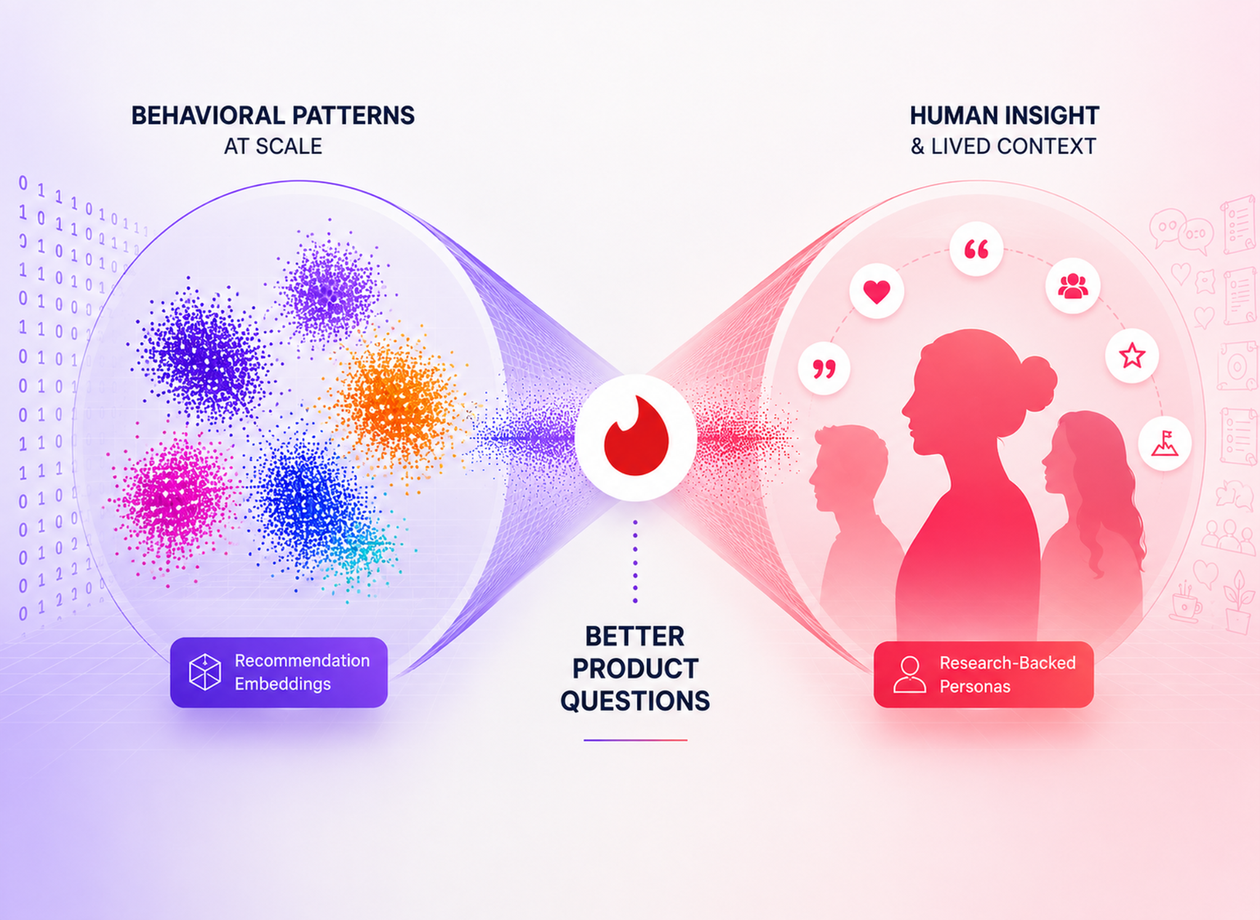
What Recommendation Embeddings Can—and Can’t—Teach Us About Users
An AI Day project turned opaque learned representations (embeddings) into a reusable way for the Recommendations and Consumer Research teams to ask better product questions together.
Engineering
15 min
read
When Your Model Hates Helicopters: Getting LLM Features From "It Works" to "We'd Bet On It"
A post about two photo Tinder® features we built on our team (Photo Feedback and a hybrid Smart Photo ordering model), and what it actually took to get them there.
Engineering
10 min
read
Merlin: The Tinder® Harness Around AI Coding Agents
AI coding agents can write code. Merlin turns that capability into a reliable workflow: planning the work, verifying changes, asking for help when needed, and producing results people can review.
Engineering
5 min
read
Upgrading Tinder to Xcode 26 with Cursor
How Tinder used AI-powered development workflows to turn one of its most complex iOS upgrades into a faster, safer, and surprisingly scalable migration.
Engineering
10 min
read
Undercover Agent: How We Built an AI That Tests Coverage While We Sleep
We built an AI agent at a TinderⓇ hackathon that writes automated unit tests, won the engineering track, and deployed it straight into our CI pipeline. Here’s what we learned.
Engineering
5 mins
read
A Non-Engineer’s Translation Guide to Living With One
Match Group CEO Spencer Rascoff shares some favorite moments from when workplace language collides with real life, and what it reveals about engineering culture at its best.
Engineering
10 min
read
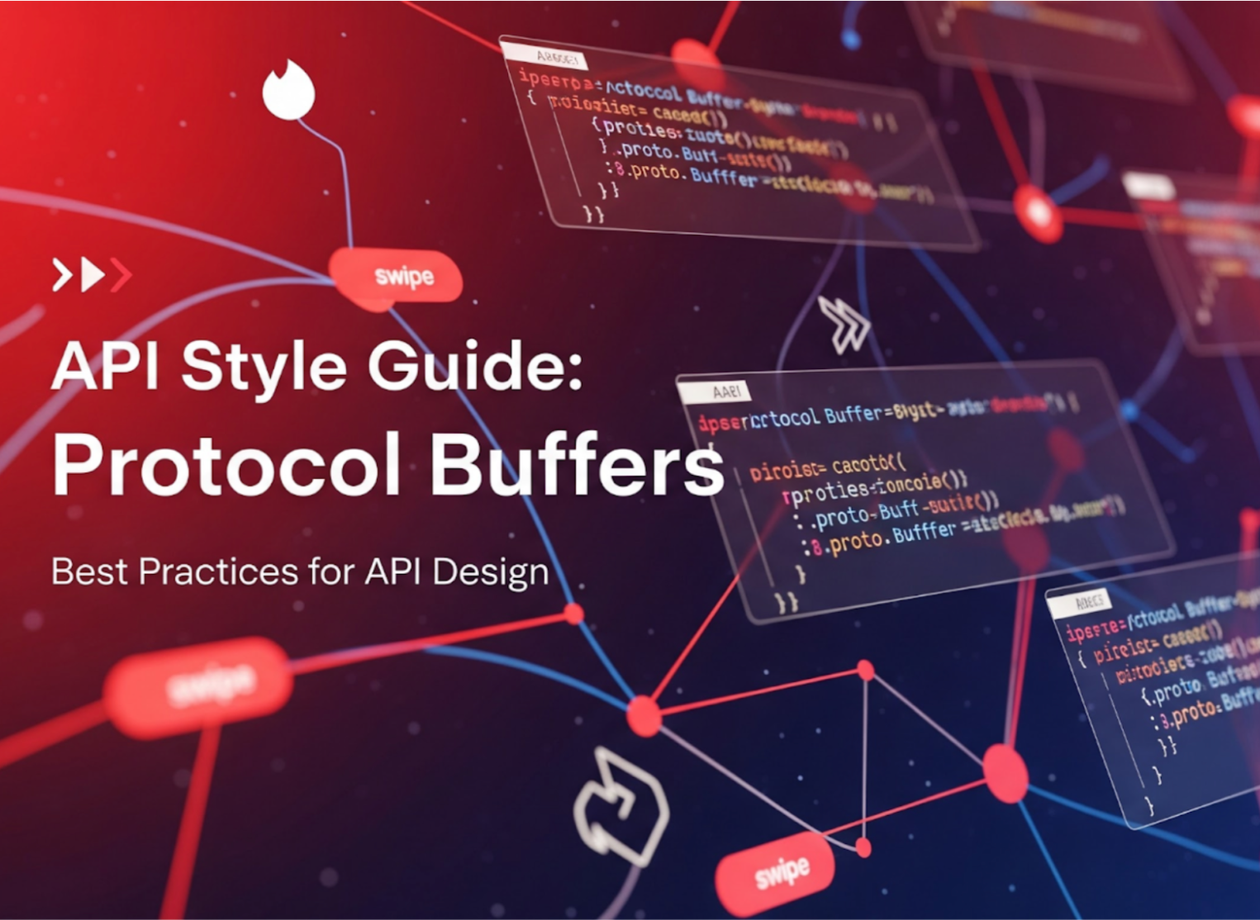
Tinder API Style Guide: Part 2
How Tinder unified fragmented data models into a single, governed Protobuf system to improve reliability, consistency, and developer velocity at scale.
Engineering
10 min
read
How Tinder® Uses AI to Rank Profile Photos
An inside look at how Tinder’s VLM-based system reframes photo ranking through pairwise comparisons to improve matches, likes, and meaningful connections.
Engineering
5 min
read
How to Hire a Great CTO (Even If You’re Not a Technologist)
Finding a CTO who balances technical depth with leadership is tough. Read how Tinder’s CEO approached the search, prioritizing hands-on experience, AI readiness, and cultural fit.
Engineering
5 min
read
Boosting iOS Development Efficiency With AI: Practical Techniques for a Large-Scale Codebase
Learn about the concrete prompting strategies and techniques that are effective for iOS development at scale.
Engineering
read
How We Decomposed Tinder’s Monolith
Monoliths are frustrating for developers, and they can have a profound effect on your organization; they slow down your team and your ability to drive important changes in your codebase.
Engineering
read
How On-Device AI Models Find Your Best Tinder Profile Photos
At Tinder, the quality of your profile photos is paramount. However, asking users to manually sift through their entire camera roll to select images that best represent them can be an overwhelming task.
Engineering
read
Tinder’s migration to Elasticsearch 8
Tinder ES plugin is a crucial in-house technology that allows us to run complex, observable, efficient and testable scoring algorithms written in Java.
Engineering
read
Sharing Tinder’s latest contributions to the open source community
At first glance, Tinder might seem like a simple application. But when you look under the hood, there are a lot of complexities to consider when building the experience that our users know and love today.
Engineering
read
How Tinder Eased Development Pain With Ignis
Latency in the development loop caused a significant bottleneck in our feature development and reduced overall stability. That's where Ignis came in.
Engineering
read
Tinder API Style Guide-Part 1
Learn how we streamlined and updated our methodologies to maintain consistency and scalability of the Tinder app.
Engineering
read
Identifying vulnerabilities in GitHub Actions & AWS OIDC Configurations
Through this blog, we will share examples of vulnerable configuration, case-studies with external organizations, mitigation examples, and abuse identification techniques.
Engineering
read
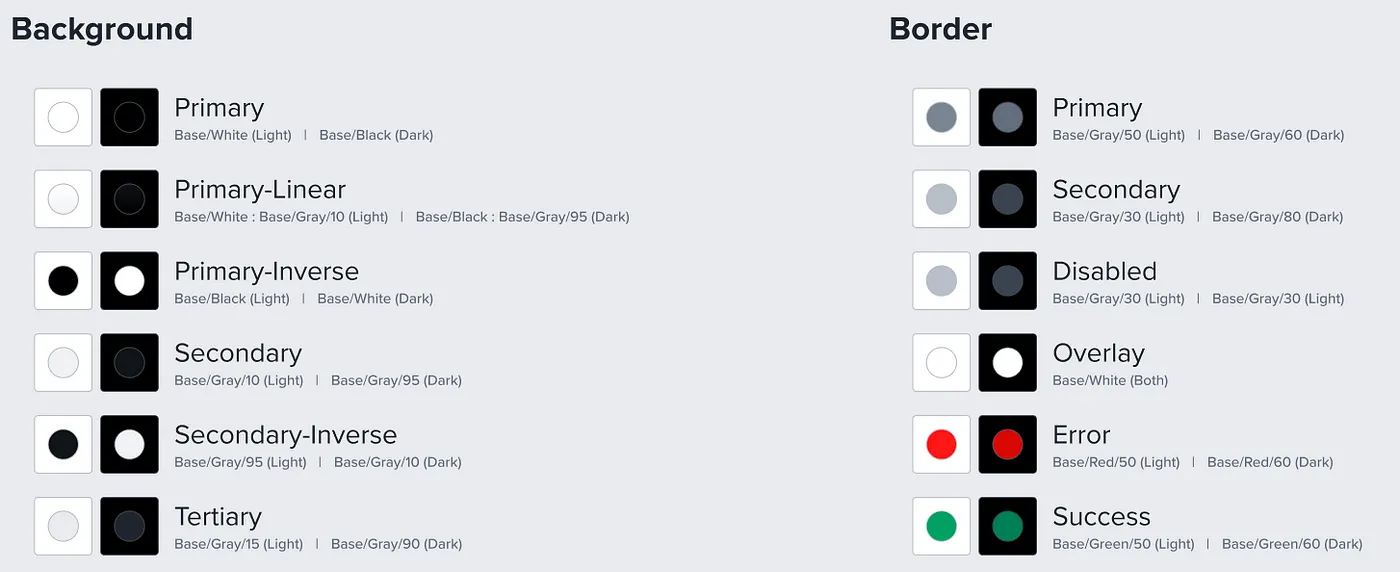
Building Obsidian, Tinder’s Design System
This post explores the creation of Obsidian, Tinder's design system.
Engineering
read
How to Categorize and Prevent Risks of Sensitive Links in URLScan
Learn how we mitigate and prevent accidental indexing of sensitive links.
Engineering
9 min read
read
How we built the Tinder API Gateway
Show More